
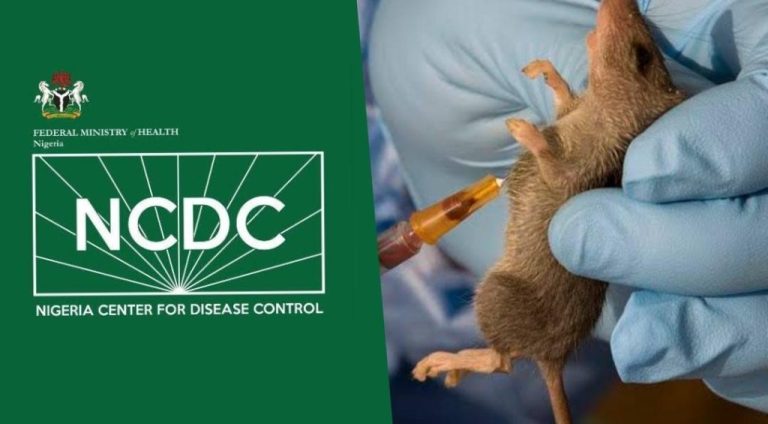


Residents have been alerted by the Kano State Centre for Disease Control (KNCDC) of the onset of the Lassa Fever season in Nigeria for 2025–2026.
The warning comes after a nationwide alert from the Nigeria Centre for Disease Control and Prevention (NCDC), which stated that the risk of Lassa Fever transmission is typically high between October and May each year, according to a statement signed by Dr. Muhammad Adamu Abbas, the director general of the KNCDC.
Contact with food, water, or household objects tainted by the urine or feces of infected rats can result in Lassa Fever, a viral illness.
Additionally, it can spread from person to person by coming into touch with an infected person’s blood or bodily fluids.
According to Dr. Abbas, the state of Kano is susceptible to breakouts due to its environment.
In order to keep rats away, he advised the people to keep their surroundings clean, practice good hygiene, and store food in firmly closed containers.
He advised anyone with a persistent fever or associated symptoms to go right away to the closest medical facility.
Lassa fever frequently manifests as fever that doesn’t go away with regular care, sore throat, stomach or chest pain, vomiting, diarrhea, and inexplicable bleeding from any area of the body.
According to medical professionals, survival chances are significantly increased by early discovery and treatment.
“The Kano State Government has activated its Public Health Emergency Operations Center (PHEOC) for Lassa Fever response in order to prepare for potential cases,” he stated.
Additionally, it has begun training health professionals on infection prevention and case management, and it has stocked up on necessary supplies like antiviral medications and personal protective equipment (PPE).
As part of the state’s “One Health” response strategy, which incorporates the environmental and agricultural sectors, community awareness programs and rodent control initiatives are also being carried out in high-risk areas.
Instead of trying self-treatment, the KNCDC advised locals to report any suspicious instances immediately. “Together, we can keep Kano State free from Lassa Fever this season,” Dr. Abbas told the people, reassuring them that the illness is preventable and treatable if caught early.
About The Author