


To combat the growing threat throughout the state and the North-West, stakeholders in Jigawa State have asked for enhanced cooperation and public reporting of gender-based violence (GBV) incidents.
The request was made during a state discussion on GBV prevention in Jigawa State, which was organized by the Center for Information Technology and Development’s (CITAD) Male Feminist Project.
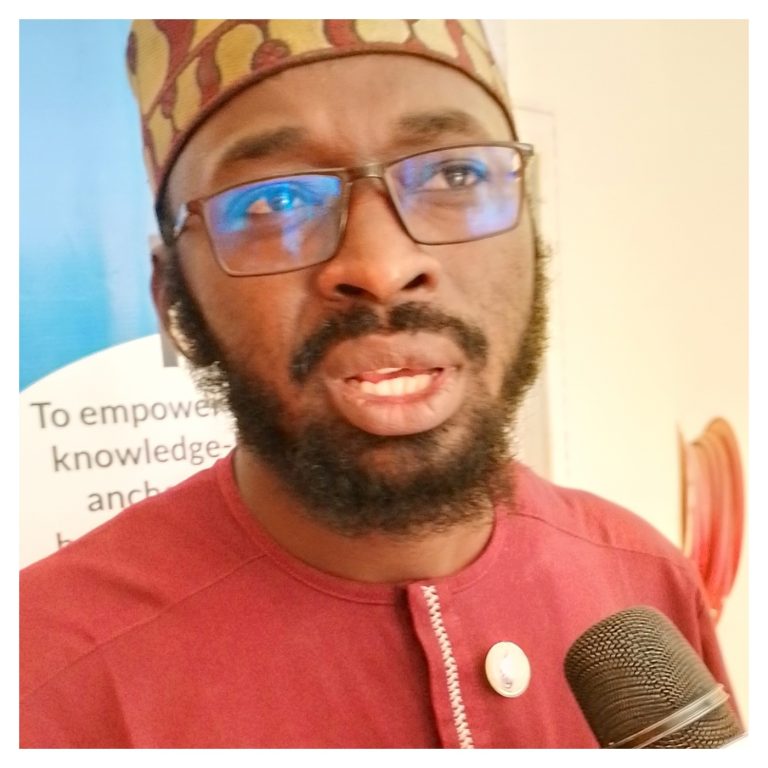
Speaking at the event, Sani Saidu Muhammad, the project’s program officer, stated that the dialogue was held to hear from important stakeholders on the causes of GBV and workable solutions, including religious leaders, traditional rulers, civil society organizations, the media, and security agencies.
He emphasized the need to involve communities and institutions to ensure survivors and witnesses speak up, pointing out that Jigawa has one of the worst rates of underreported GBV cases.
He claims that because of societal, cultural, and religious conventions as well as the stigma associated with such instances, many incidences of rape, domestic violence, and other atrocities go undetected.
According to him, the organizers hope to see an increase in reported incidents because victims and community members are speaking out rather than because violence is on the rise.
Muhammad said, “When you see something, say something,” urging locals to report any instances of mistreatment. If people remain silent, the number of cases will rise and those who do them will go unpunished.
Speaking as well, Shehu Hamdallahi, the Divisional Police Officer of Dutse Division, encouraged the people to report GBV-related offenses at all times, promising that those who do so would face legal consequences.
He praised the Jigawa State Government for putting the Violence Against Persons (VAPP) Law into effect, calling it a significant step in safeguarding those who are vulnerable.
During the discussion, religious leaders also promised to raise public awareness of the significance of reporting gender-based violence and providing support to survivors.
About The Author