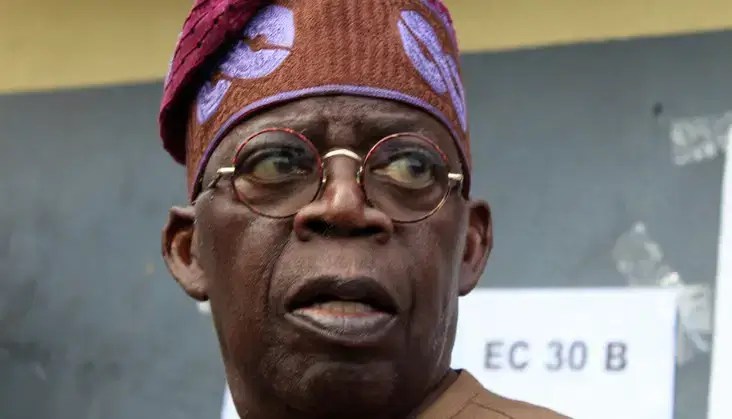


According to the World Bank’s dire predictions, more Nigerians will live in poverty under the current government, which is headed by President Bola Tinubu.
The World Bank predicted in its April 2025 Africa’s Pulse report that poverty in Nigeria would increase by 3.6 percentage points by 2027, when Tinubu’s first term would be coming to an end.
According to the report, poverty in resource-rich but fragile countries—including major nations like Nigeria and the Democratic Republic of the Congo—is expected to rise by 3.6 percentage points between 2022 and 2027, making them the only group in the region to see rising rates of poverty, Naija News noted.According to the World Bank, this prediction is consistent with a known pattern in which resource wealth, fragility, or conflict is associated with higher rates of poverty—an average of 46% in 2024, 13 percentage points higher than in non-fragile, resource-rich countries; additionally, the World Bank stated that Nigeria has the highest percentage of people living in extreme poverty worldwide. This analysis comes shortly after an International Monetary Fund (IMF) statement that said Tinubu’s economic policies have not yet resulted in substantial benefits for Nigerians, as poverty and food insecurity remain widespread.
The IMF acknowledged that while the reforms initiated by the Tinubu administration have positioned the Nigerian economy more favorably to navigate external challenges, the nation still grapples with economic instability.
“The outlook is marked by significant uncertainty. Elevated global risk sentiment and lower oil prices impact the Nigerian economy. Looking ahead, macroeconomic policies need to further strengthen buffers and resilience, while creating enabling conditions for private sector-led growth,” the IMF said.
Naija News reports that the economic policies implemented by Tinubu, particularly the elimination of fuel subsidies and the unification of exchange rates, have resulted in unparalleled economic difficulties in Nigeria, with fuel prices soaring from ₦145 to approximately ₦1,000, and the dollar now valued at over ₦1,600.
In August 2024, a significant number of Nigerians participated in a 10-day protest across the nation, expressing their discontent with poor governance and widespread hunger.
Nevertheless, Tinubu has consistently asserted that these challenges are an essential sacrifice for achieving long-term economic recovery.
About The Author