
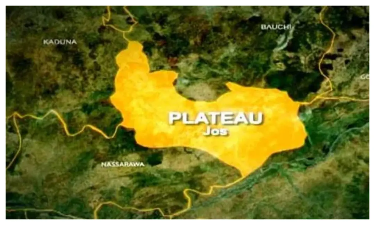


A group calling itself “Concerned Fulani Residents of Riyom LGA” has accused Hon. Sati Shuwa, the council chairman, of being marginalized in the selection of his assistants.
In a strongly worded statement signed by its chairman, Abdullahi Yusuf, the group made the accusation. It also expressed disappointment over what it called the LG boss’s lopsided appointment practices, claiming that only six of the 235 Senior Special Assistants (SSA) and Special Assistants (SA) are Muslims or Fulani.
The group said in a statement titled “Concerns over marginalization of Fulani and Muslim community in appointments in Riyom LGA appointments amidst escalating insecurity” that the Muslim and Fulani communities, who they claim are among the law-abiding electorate in the council, are seriously underrepresented and that the lopsided appointments allocation is an obvious act of marginalization.
The following is a portion of the statement provided to BASEMEDIA NEWS:
“It is unjust and unfair that one community is purposefully excluded from public appointments in a democracy where all citizens participate in governance.
At a time when Riyom LGA is dealing with unheard-of levels of insecurity, this development also represents a regrettable misalignment of priorities.
Our voices and representation have once again been muffled in the halls of local government, in place of inclusivity and justice that could bolster unity and trust.
We see this egregious disparity as a willful act of political discrimination that threatens inclusive governance, peacebuilding, and unity.
The Fulani and Muslims, who are an essential part of Riyom LGA, should be fairly represented in all decision-making processes, particularly when it comes to appointments that are financed by public funds.
The local government ought to have placed more emphasis on bolstering security and tackling the underlying causes of the ongoing violence rather than allocating limited public funds to an abnormally high number of political aides.
In order to get the council chairman to reconsider the appointments and provide Muslims and Fulanis, who were also voters, with fair representation, the group urged the Plateau State government, civil society organizations, and well-meaning Nigerians to step in.
Additionally, it stated that the only way to maintain harmony, equity, and peace among all ethnic groups and faiths within the local government area is to implement an inclusive governance principle.
About The Author