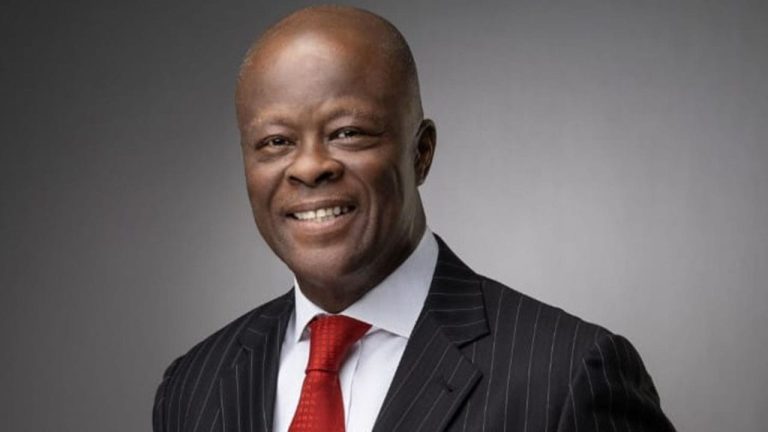


Nigeria’s delegation to the 2026 Spring Meetings of the World Bank and International Monetary Fund in Washington, D.C., is being led by Wale Edun, Minister of Finance and Coordinating Minister of the Economy, who is making a forceful case for more international assistance in the face of escalating economic challenges.
The meetings, which are scheduled for April 13–18, take place during a period of increased global unpredictability brought on by geopolitical tensions, especially the current conflict between the US and Iran, which has continued to cause market disruptions and inflationary trends.
Nigeria stated its top priorities in a policy brief that was made public prior to the meetings. These priorities focused on the need for more equitable global financial conditions, lower capital costs, and ongoing assistance for poor nations that are experiencing external shocks.
Although higher crude oil prices offer Nigeria a chance to increase its foreign exchange profits and fiscal revenues, Edun pointed out that the wider economic impact is still difficult. Domestic fuel prices have increased as a result of rising energy costs, exacerbating inflationary pressures on individuals and companies.
In recent weeks, the price of gasoline has increased dramatically, and the cost of diesel has also increased dramatically, showing the impact of rising global oil prices on the domestic economy. The government issued a warning, stating that these changes are weakening purchasing power and making efforts to reduce poverty more difficult.
Nigeria is also struggling with the tightening global financial conditions, which are constraining capital inflows into emerging economies as investors move toward safer assets. Furthermore, freight costs are rising due to interruptions in international shipping routes, which exacerbates inflation and import prices.
Edun is anticipated to interact with international financial leaders, development partners, and private investors at the meetings in order to present Nigeria as a desirable investment destination in spite of the present challenges. The country’s budgetary outlook, ongoing reforms, and fresh financing sources will be the main topics of discussion.v
According to the Federal Government, a number of macroeconomic changes put in place since 2023 have made Nigeria more resilient to current shocks. These include the elimination of fuel subsidies, the liberalization of exchange rates, and initiatives to improve economic institutions and diversify sources of funding.
Edun claims that development, investment, and job creation will be given top priority in Nigeria’s upcoming economic policy. This entails increasing the involvement of the private sector, strengthening domestic capital markets, and taking advantage of trade expansion potential under the African Continental Free Trade Area.
Meanwhile, Managing Director of the IMF, Kristalina Georgieva, has cautioned that the global economy is facing substantial headwinds, with growth predictions projected to be reduced due to the prolonged conflict.
She pointed out that as global prices are unlikely to swiftly recover to pre-crisis levels, inflationary pressures may last longer than expected.
Nigeria is attempting to coordinate its reform agenda with larger international initiatives to stabilize economies, safeguard vulnerable populations, and foster resilience in a world growing more unstable as discussions in Washington continue.
The Intergovernmental Group of Twenty-Four on International Monetary Affairs and Development (G-24), which coordinates the stances of emerging market and developing nations on international monetary and development finance issues, will hold a briefing today (Tuesday) following its meeting.
“Optimizing Resource Mobilization for Inclusive and Job-Rich Growth” will be the theme of the G-24 Ministers, Central Bank Governors, and their Deputies meetings in 2026.
The Communique will outline the G-24’s stance on global economic conditions, macroeconomic and financial stability, international liquidity and financing, debt sustainability, climate finance, international tax cooperation, the global trading system, and the role of multilateral development banks in funding sustainable development goals, in addition to the primary topic on the discussion agenda.
There will also be a discussion on the current World Bank Evolution Roadmap talks, as well as the state of the IMF’s quota and governance reforms.
Africa includes Algeria, Côte d’Ivoire, Egypt, Ethiopia, Gabon, Ghana, Kenya, Morocco, Nigeria, South Africa, and the Democratic Republic of the Congo; Latin America and the Caribbean includes Argentina, Brazil, Colombia, Ecuador, Haiti, Guatemala, Mexico, Peru, Trinidad and Tobago, and Venezuela; Asia includes India, Iran, Lebanon, Pakistan, the Philippines, Sri Lanka, and Syria; and China is a special invitee.
About The Author