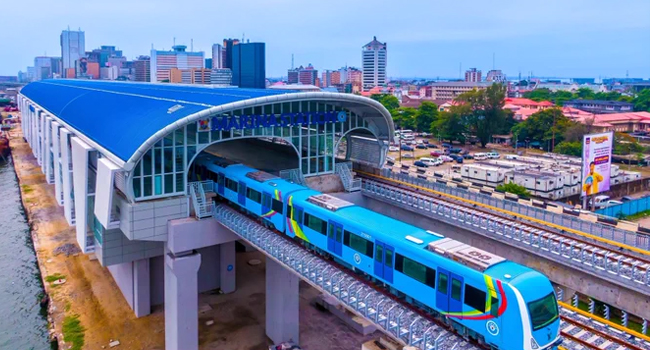


Nigeria’s rail infrastructure is under increasing pressure, as seen by recent passenger comment on train services, which highlights operational deficiencies and the necessity of ongoing investment in contemporary rolling stock.
Following a recent journey, issues were voiced about delayed departures, broken air conditioning systems, and crowded station lounges, all of which had an impact on passengers’ comfort and overall travel experience.
Many passengers were left without sitting or shelter and exposed to inclement weather due to inadequate waiting areas at stations, according to some passengers.
Others said that uncomfortable travel was caused by inadequate airflow within coaches as a result of malfunctioning cooling equipment.
While the complaints highlight urgent service issues, industry observers say they also highlight more fundamental structural limitations, such as aging rolling stock and capacity limitations in the face of growing demand.
Over the years, the Nigerian Railway Corporation (NRC) has persisted in using train sets that have been in operation for a considerable amount of time.
Pressure on these resources has increased because to rising demand along important routes, particularly in terms of dependability and onboard comfort.
According to experts, resolving the issue will necessitate more than standard maintenance; instead, consistent and focused investment in new rolling stock is needed to increase capacity and enhance service quality.
According to a transportation analyst, contemporary train networks require ongoing asset renewal, highlighting the necessity of a transparent and reliable financial structure to sustain long-term expansion.
Some travelers commended the efforts of NRC staff amid disruptions, despite the difficulties. For example, the management at Rigasa station received praise for offering bottled water to impacted travelers, demonstrating attempts to maintain customer service in challenging circumstances.
Although the company has demonstrated resiliency, stakeholders believe that more government support is necessary to close infrastructure gaps and realize the full potential of rail transportation.
They say that maintaining public trust and delivering a more effective system will depend on modernizing rolling stock and enhancing passenger amenities, as rail is becoming recognized as a safer and more economical option to driving.
About The Author