
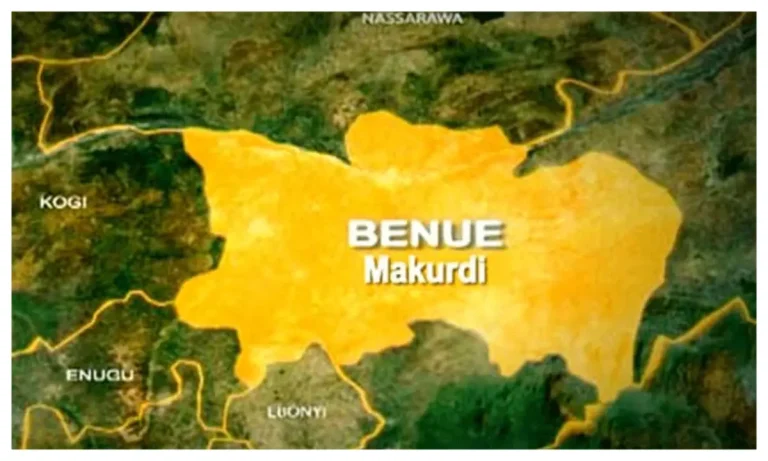


In order to prevent more strife, the Alago Ikweyi Gbayi Development Union (AIGDU) in Nasarawa state has urged the federal government to draw a border between Nasarawa and Benue states immediately.
The organization stated in a statement co-signed by its president, Mohammed Oshafu, and its publicity secretary, Hassan Ozegya, that the call was required in light of recent charges made by Professor James Ayatse, the Tor Tiv, during President Bola Tinubu’s visit to Benue to offer condolences.
Following the Yelwata massacres, the monarch accused Nasarawa State of encroaching on Tiv ancestral grounds, a claim the group vehemently rejected.
The group described the claim as misleading, insisting that the Tiv have no ancestral land in Keana, Obi, and Awe Local Government Areas of Nasarawa State. While distancing itself from the killings in Yelwata, the group insisted the Alagos (Alagon Omere) owned Yelwata before being joined by Gwandara, and later, Tiv.
“The area is part of Keana local government area of Nasarawa State. Apart from colonial and other modern-day records, recent Google maps also confirmed that Yelwata is in Nasarawa State as originally demarcated.
The statement partially states, “While this claim is not up for debate, our stance is not in favor of crises and killings in our land that had peacefully welcomed all Nigerians and foreigners alike to settle peacefully and together with our people and pursue their daily quests for livelihood in harmony.”
To bolster their arguments, the group also referenced historical documents. The group clarified that Keana’s initial area extended as far as the North Bank of Makurdi when it was founded in 1232 AD. “The current border between Daudu and Yelwata was the only reduction in its borders that occurred during colonial rule.”Insisting that a clearly defined border will enable all parties to understand the precise extent of their respective jurisdictions, they urged state and federal authorities to act immediately to demarcate the border between Nasarawa and Benue. This will reduce tensions and promote better governance.
About The Author