
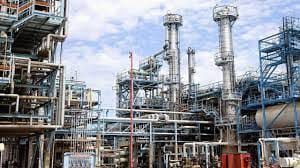


The real status of a country’s economy is frequently shown at its entrances rather than in its boardrooms. For Nigeria, our refineries and ports have long been gloomy symbols that may be wasted. They depict a systematic breakdown in which bribery and inefficiency stifle lofty goals. But Aliko Dangote’s recent initiative, DeepSeaport, is more than just a financial success story—it’s a deep lesson in how to end this cycle. It reflects a possible way forward and stands as a mirror to our decades of institutional failure. To properly understand this lesson, however, we must view it as an urgent cry for a new system based on competition, strong regulation, and a radical reinterpretation of the role of the state in a contemporary economy, rather than as a straightforward call for privatization.Our ports have never overcome their fundamental problem of being instruments for rent-seeking rather than wealth creation because they were first built for colonial extraction. Their entire DNA is devoid of the coding for integrated industrialization, which was designed to channel manufactured commodities in and agricultural output out. This is the crucial background information needed to comprehend the Olokola project’s strategic necessity. First and foremost, it is a necessity that arose from a clear and legitimate loss of trust in our public infrastructure. The infamous slowness and unpredictability of the NPA-controlled ports were too great a risk for the $20 billion Dangote Refinery, one of the biggest single industrial investments on the continent.It would have been a complete gamble to depend on the crowded, chaotic ports of Apapa, choking its fragile supply system with debilitating delays and illegal Contractual responsibilities and global competitiveness are undermined every day when a ship stands idle at anchor, costing hundreds of thousands of dollars in unanticipated delays in receiving oil or exporting fuel. Therefore, Olokola is a preventative and crucial act of corporate self-defense. It is the strongest conceivable critique of our corrupt public infrastructure, showing that significant investment must now create its own expensive parallel republic in order to merely survive. This action highlights a harsh reality: the inefficiency of our public sector is not a minor annoyance that should be put up with; rather, it actively and structurally discourages the very investments that our economy and job market sorely need.
About The Author