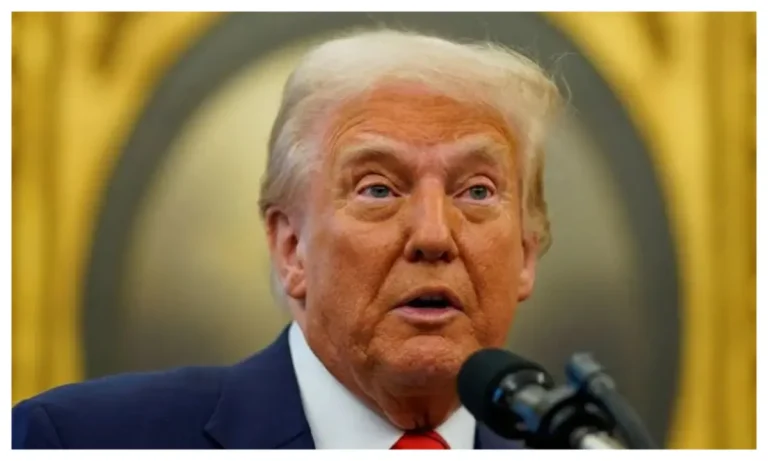


The threat of military action by United States President Donald Trump, which followed his designation of Nigeria as a Country of Particular Concern (CPC) over alleged large-scale persecution and killings of Christians, has triggered varied reactions both locally and internationally. The designation and the accompanying threat to deploy American military forces if the Nigerian government “continues to allow the killing of Christians” have prompted calls from some Nigerians for the President Bola Tinubu administration to take immediate and decisive action against terrorists. Nigerian reactions were split between those supporting the warning and those who saw it as a misrepresentation. Some citizens, including Mr. Anyebe Ekainu and Michael Akor, welcomed the warning, viewing it as a necessary external intervention to solve a long-standing security crisis, with figures like Ibrahim Mohammed, Abdul Rahman, Joseph Adah, and Emmanuel Ucha also supporting the idea, stating that Nigerian leaders have failed and that the intervention is needed to bring the “criminal activities against humanity a permanent end.” Michael Akor and Chibueze Obi clarified that the proposed action is seen not as a war against Nigeria, but specifically “against the terrorists and their sponsors.” Social critics like Mike Divine supported Trump’s position by highlighting cases such as the continued disappearance of Leah Sharibu and the mass graves displayed by Plateau pastor Rev. Ezekiel Dachomo. Conversely, Anthony Ameh noted that political figures were “fidgeting and devising defensive tactics” to condemn Trump, and he alleged that opponents of the intervention, including figures like Sheik Gumi and protesters in the North, are likely suspects because “their hands are not clean.” Salaudeen Hashim, Programme Director of CLEEN Foundation, described the CPC designation as an “unfortunate stigmatization,” arguing that terrorism and insecurity do not discriminate based on religion, and he emphasized the need for stronger strategic communication and diplomatic representation. The Nigerian Government rejected the characterization of Nigeria as religiously intolerant, stating it “did not reflect the country’s national reality” and failed to acknowledge the government’s efforts to safeguard religious freedom, while the Ministry of Foreign Affairs vowed that Nigeria would continue to fight violent extremism. The regional body ECOWAS strongly rejected the “false and dangerous claims” of a “Christian genocide,” asserting that terrorist-related violence does not discriminate. China pledged its firm support to the Tinubu administration, with Foreign Ministry Spokesperson Mao Ning opposing any country using religion and human rights as an excuse to interfere in others’ internal affairs or threaten them with sanctions and force. The European Union (EU) spokesperson Anouar El Anouni stated the union had “taken note” but remained focused on supporting Nigeria’s stability through cooperation, reaffirming respect for Nigeria’s sovereignty and commitment to religious neutrality, and expressing “solidarity with the victims of violence.”
About The Author