
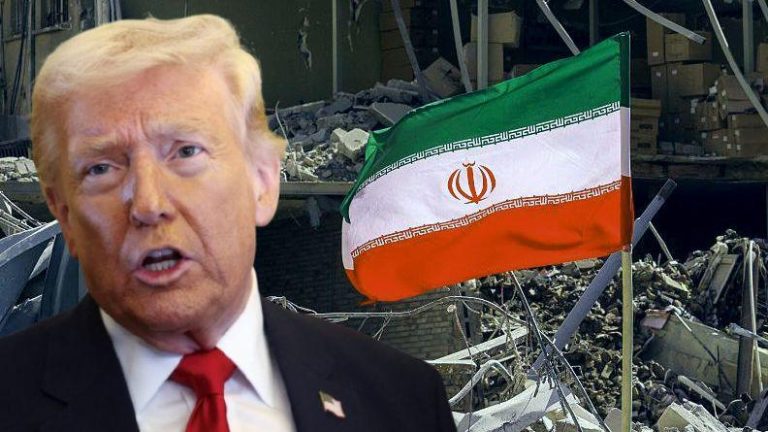


Fears of a new escalation in the Middle East conflict are causing global oil markets to walk carefully as a high-stakes deadline set by US President Donald Trump for Iran expires. Oil prices have stayed largely stable despite growing geopolitical tension, including threats of strikes on Iranian infrastructure if Tehran doesn’t comply, causing an unsettling calm across the energy markets. Analysts caution that this seeming steadiness could conceal the possibility of an abrupt and steep price increase. Crude benchmarks are still hovering around $110 a barrel, and traders are hesitant to build large positions because sentiment is dominated by uncertainty. Tightening supply conditions are indicated by the uncommon inversion of West Texas Intermediate (WTI) trading above Brent oil, which highlights the pressure inside the physical market. WTI dropped to $113 yesterday, while the Brent was $109 per barrel.Washington’s demand that Iran reopen the Strait of Hormuz, a vital route that carries around one-fifth of the world’s oil supply, is the root of the impasse. Tehran’s ongoing restrictions on the waterway have already caused flow disruptions and increased concerns of a protracted supply shock. overlay-clevercloseLogo Since the conflict intensified in late February, markets have been tense, with investors torn between the possibility of a military conflict and hopes for a last-minute diplomatic breakthrough. Due to the lack of movement in negotiations thus far, traders are forced to wait and watch. Although oil prices have increased in recent weeks, the lackluster response in recent days indicates that there is doubt that quick military action will take place. According to some analysts, markets have become used to frequent deadlines and postponed escalations, which has temporarily reduced volatility.The underlying hazards are still substantial, though. Iran may retaliate if the United States follows through on its threats, further upsetting Gulf oil infrastructure and driving up crude prices.
Concerns are exacerbated by macroeconomic signals in addition to geopolitics. Fears of a stagflationary climate are being fueled by rising fuel prices, declining economic activity, and ongoing inflation. The price of gasoline and diesel in the United States is rising, and inflation is predicted to pick up speed, putting the world economy under fresh strain reminiscent of previous energy shocks.
Additionally, the International Monetary Fund is anticipated to raise inflation projections for 2026–2027 while lowering its growth prediction, which will heighten worries that the volatility in the oil market will lead to more widespread economic malaise.The markets are still in a precarious holding position for the time being. However, given the impending deadline and unresolved tensions, the oil price calm may only last temporarily, opening the door for an abrupt and perhaps dire market reaction.
Dr. Marcel Okeke, an expert, is hopeful that the US President will retract his statement, stating that any further escalation of the conflict would be detrimental to the market.There will be more chaos if he follows through on what he says. He must cease doing so if things are to improve. However, if he stops, it indicates that the conflict is still going on. Furthermore, no one is aware of the potential scope of the conflict because Iran is already so angry that other Gulf nations have turned against them. Thus, it turns into an unending conflict. Therefore, the price of crude oil would remain high, but I don’t see Trump carrying out his threats,” he stated.
About The Author