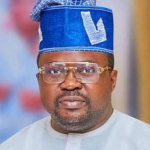
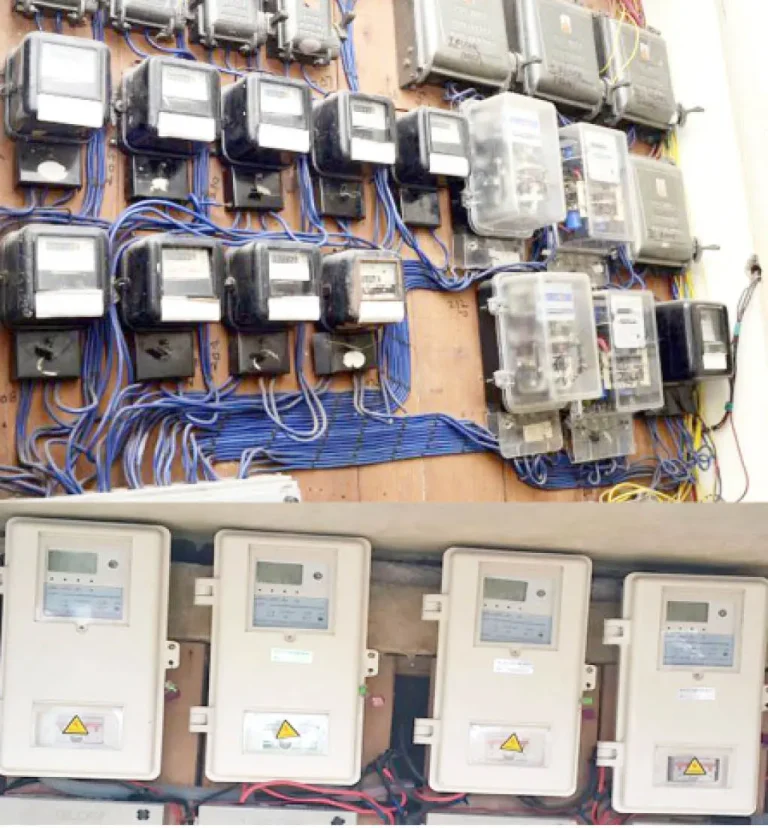


According to Engineer Abdu Bello Mohammed, MD/CEO of the Nigerian Independent System Operator (NISO), Many Nigerians’ ability to pay higher electricity rates has been undermined by rising inflation, unemployment, and diminishing purchasing power. 00:04/03:11 10 seconds Speaking at the 5th Annual Conference of the Power Correspondents Association of Nigeria (PCAN), he said that millions of Nigerian households still lack access to dependable electricity, that many people’s grid connections do not ensure supply, and that the cost of energy is still unaffordable for others.He emphasized that the inability to pay for enough electricity for everyday living and productive business is what constitutes energy poverty, not merely a lack of connectivity. However, he stated that in the absence of cost-reflective prices, energy infrastructure will continue to deteriorate and investors will not be able to commit investments, making it impossible for power utility firms to recover expenses. Therefore, the true question is not whether cost-reflective tariffs are necessary, but rather how to implement them in a way that protects the most disadvantaged members of society and maintains affordability.
About The Author