

Power generation has significantly decreased, according to the Nigerian Independent System Operator (NISO).
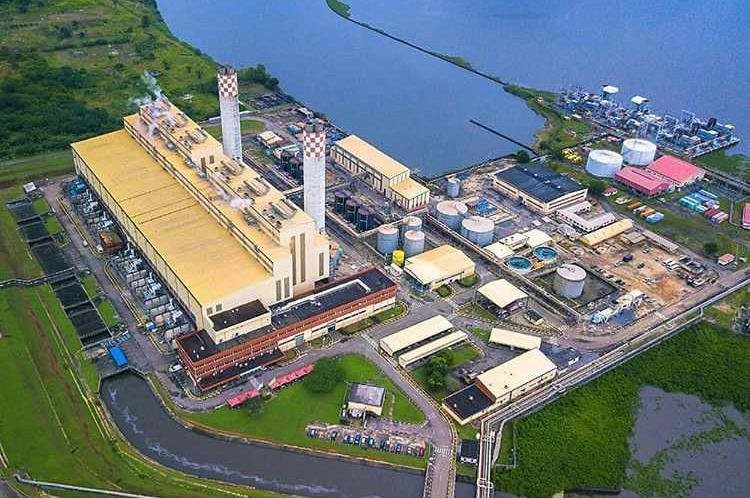
According to a statement, the shutdown of Egbin Power Station, the biggest electricity generating plant on the national grid and a significant contributor to Nigeria’s daily power supply, is the reason for the current low generation affecting the country’s electricity supply, especially in the Lagos region.
On April 28, 2026, at approximately 8:21 p.m., the power plant recorded a total loss of generation, going from about 641 MW to zero output. The plant’s central compressor failure and circulating water pump system malfunction were blamed for the incident, which required an emergency shutdown of every unit.
Additionally, the Osogbo–Ikeja West 330kV line’s forced outage is currently limiting the power supply to the Lagos region, which further restricts the delivery of available generation into the Lagos load centre,” the statement stated.
In order to preserve grid stability and avoid a more widespread system disruption, it further stated that the loss of generation has resulted in a substantial supply shortfall, requiring immediate load-shedding measures.
In order to lessen the impact, “system operators have since activated contingency measures, adjusted load allocation across distribution companies with priority to critical infrastructure, and are optimising available generation from other power plants.”
“We acknowledge the inconvenience this situation has caused electricity consumers, particularly in Lagos and the surrounding areas, and we reassure the public that all relevant stakeholders are working closely to find a quick solution.
About The Author