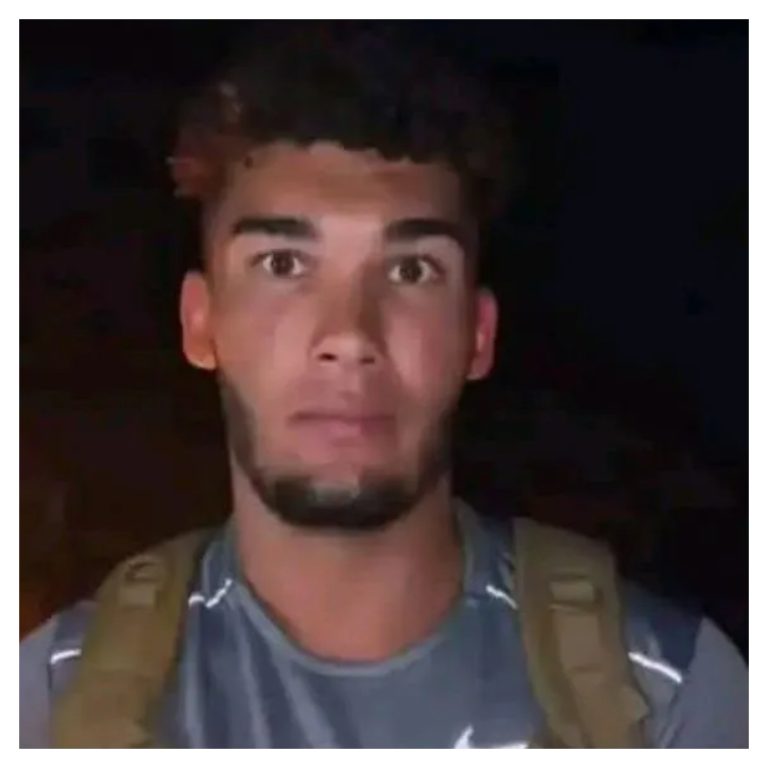


Alex Barber, an American missionary, has been expelled by the federal government due to remarks that it believes will exacerbate tensions and divisions, particularly in Plateau State.
The decision was made in response to mounting controversy concerning his actions in the North-Central region of Nigeria, where officials claim his remarks may have sparked violence.
During a TVC appearance, Abiodun Essiet, President Bola Tinubu’s Senior Special Assistant on Community Engagement (North Central), verified the development.
Yes, we’ve realized what Alex Barber did, so I have to let you know that he is no longer in Nigeria,” she stated.
“We can say that because of the work he’s doing, which is causing division, he has been removed and sent out of the country.”
Essiet went on to connect his comments to violence in Jos, asserting:
Many people were unaware that two Muslims had been assassinated right after he gave his speech in Jos.
“He was expelled and is no longer in Nigeria due to the impact of this provocative speech that he has been making.”
Former American football player Barber became well-known for his humanitarian work in villages devastated by conflict in the states of Benue and Plateau.
He helped rebuild homes and assist displaced individuals through his project, Building Zion, and in partnership with a US-based non-governmental organization.
He allegedly assisted in rebuilding dozens of homes that had been destroyed during attacks in Yelwata in Benue State. He stated, “So far, we have rebuilt 35 housing units,” at a project presentation in January 2026. The people’s happiness is overpowering.
The initiative was commended by some locals and community leaders.
“Private individuals have come to our aid in such a massive way for the first time,” stated Yelwata’s traditional ruler, Julius Joor. You have given our people joy and hope again.
“You have done what both the federal and state governments have failed to do,” said attorney Franc Utoo.
Barber’s public remarks came under growing scrutiny despite his humanitarian efforts. He characterized violence in the Middle Belt as systematic and organized in interviews and internet posts.
In an interview with NewsCentralelevision, he stated, “This is not just some random criminality.” People are the target of this battle.
“If there is no war in Nigeria, what is happening?” he asked, challenging official views.
His comments, which included criticism of government agencies and how the crisis was handled, raised his prominence internationally but provoked criticism at home.
His framing, according to his detractors, oversimplifies a complicated scenario combining insurgency, farmer-herder conflicts, and banditry.
Additionally, some warned that his portrayal of the dispute primarily along religious lines could exacerbate tensions.
Cleric Ahmad Gumi expressed concerns over his rhetoric, while former presidential advisor Bashir Ahmad called on authorities to look into his activities, claiming they could “threaten public peace.”
Aliyu Naziru claimed that Barber was present at a scene of violence under ambiguous circumstances and demanded an investigation in a plea to Plateau State security officials. Nevertheless, there is no solid proof that he committed any crimes.
Barber’s supporters maintain that he was bringing attention to overlooked situations. Religious leaders, such as COCIN priest Ezekiel Dachomo, warned against trying to quiet him and defended his efforts.
“They haven’t talked about me rebuilding villages… but when I speak out… then all of a sudden [they react],” Barber remarked in response to criticism.
Citing occurrences in numerous northern regions, he insisted that victims of attacks had come from all religious backgrounds.
Although Nigerian laws restrict comments that could incite violence or public disruption, especially in sensitive areas, analysts point out that freedom of expression is acknowledged. Additionally, foreigners whose conduct are deemed to be against the interests of the country may be deported by the authorities.
Essiet compared the government’s actions to previous international crises in order to stop greater split.
“We don’t want people to come and create division, so that’s what the government has done,” she stated.
I’ve visited Rwanda a few times. This entire story, according to Alex Barber, is as straightforward as what certain foreign actors did in Rwanda, which resulted in a widespread genocide.
“We don’t want Nigeria to take that route based on our experience. People who do not comprehend the background of our difficulties must not be allowed to split us apart.
Barber refuted claims that his remarks were connected to violence.
“Let it be known that if Abiodun Essiet… made this statement, they are directly lying to the Nigerian and international community,” he wrote in a Facebook post.
I’ve never spoken to or heard of this individual.
About The Author