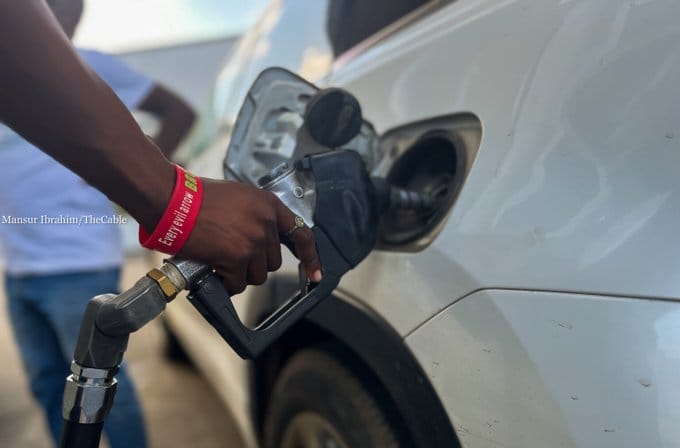


Mr. President, Nigerians have had to deal with the elimination of subsidies, fluctuations in foreign exchange rates, inflation that depletes earnings before they are paid, and changes that have put a strain on household budgets. You requested time to rebuild, reform, and restore, and they complied. The government has now announced that it will impose a 15% import tax on gasoline and fuel following this challenging year of sacrifice. This choice runs the risk of transforming faith into weariness, Mr. President. It is a relapse, not change, and it has the potential to destroy the shaky faith that Nigerians have in your leadership.A Misdirection-Based Policy The new tariff is presented as a “market-responsive import framework” intended to “protect local refining capacity and stabilise the downstream market,” per the State House paper that was released on October 10, 2025. But Nigerians are not misled by the language of protection when its outcome is punishment. The landing cost of gasoline will increase by approximately N150 to N175 per litre when this levy is applied to the Cost, Insurance, and Freight (CIF) value of imported fuel. This implies that the average pump price may rise to N970 or higher per liter, directly affecting every home, transportation provider, food seller, and generator owner.The new “fuel cabal,” a group of influential businessmen who have allied themselves with the refinery to control who gets access, who lifts gasoline, and at what price, is located inside that inner circle. The market is being redesigned for control, when deregulation was intended to unleash it. This tariff is supposed to “stabilize the market.” However, monopolies suffocate rather than stabilize, as history has shown us.The economy is affected by every naira that is added to fuel prices. Fares for transportation increase by 20–30%. The cost of food comes next. The rate of inflation increases. The middle class continues to decline. What little dignity inflation hasn’t already stolen is lost by the impoverished. All of this was done to shield an investor who constructed a “state-of-the-art” refinery that is still unable to meet half of the nation’s demands.The powerful cannot use economic policy as a courtroom to argue for privilege. The people and the government have a covenant. And when policy favors one business over another, that covenant is violated. Competition, not tariffs, created resilience when the world’s oil markets were deregulated, from South Korea to the United States. Instead of advocating for protection, local refiners had to innovate. The market compelled American refiners to be efficient, invest, and adapt in order to survive the worldwide glut in the 1980s, not because of tariffs. After the state removed protectionist crutches and opened competition, South Korea’s chaebols, who had previously been shielded, became effective.The Daily Economics Mr. President, the human cost of economic theory is frequently concealed. But behind every increase in gasoline prices are the rationed meals of families, the collapsing margins of traders, and the costly transportation of farmers. According to the sociology of adversity, people can accept one reform, maybe two, but a third undermines their faith. Although Nigerians have a lot of patience, it is limited. Insecurity, currency devaluation, and inflation already have a significant impact. A 15% fuel tax is cruelty masquerading as economic reform; it is not a correction. A Call to Common Sense and Conscience Nigerians don’t demand perfection, Mr. President. Fairness is what they are requesting. They are requesting that people who exchange influence for policy not take over your reform legacy.
About The Author